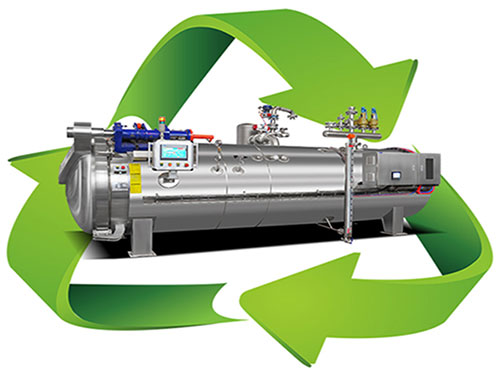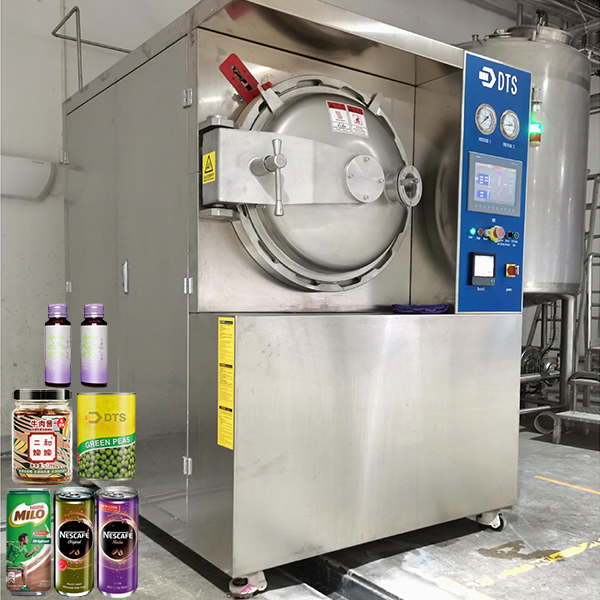
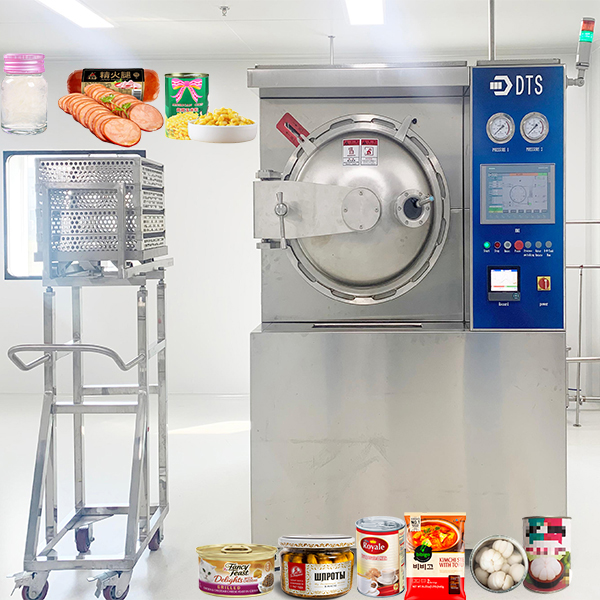
The lab retort integrates multiple sterilization methods, including steam, spraying, water immersion, and rotation, with an efficient heat exchanger to stimulate industrial sterilization processes. It ensures even heat distribution and rapid heating through rotation of product and high-pressure steam. Atomized water spraying and circulating liquid immersion provide uniform temperatures. The heat exchanger efficiently converts and controls heat, while the F0 value system tracks microbial inactivation, sending data to a monitoring system for traceability. During product development, operators can set sterilization parameters to simulate industrial conditions, optimize formulations, reduce losses, and enhance production yields using the retort's data.
Lab retorts are crucial for simulating commercial-scale thermal processing in food research. Here’s how they work: A lab retort seals food samples in containers and subjects them to elevated temperatures and pressures, typically exceeding the boiling point of water. Using steam, hot water, or a combination, it penetrates the food to eliminate heat-resistant microorganisms and enzymes that cause spoilage. The controlled environment allows researchers to precisely regulate temperature, pressure, and processing time. Once the cycle finishes, the retort gradually cools the samples under pressure to prevent container damage. This process extends shelf life while maintaining food safety and quality, enabling scientists to optimize recipes and processing conditions before full-scale production.
DTS is experienced and devoted to the manufacturing of consistent, high-quality sterilization equipment for packaged food and beverage.
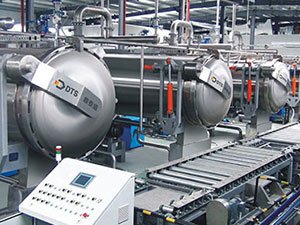
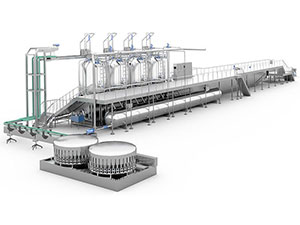
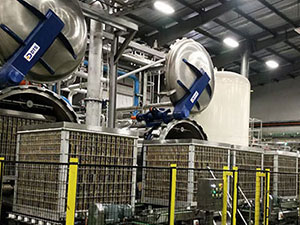
DTS is a professional supplier of sterilization equipment and nonstandard sterilizing lines for food and beverage products. We are specialized in the integration of raw material supply, product R&D, process design, manufacturing, finished product inspection, engineering transportation and after-sales service. Our sterilization retorts are available in batch, rotary and continuous modes, and can be applied to process products packaged in all kinds of containers, such as rigid containers, semi-rigid containers, flexible containers, Tetra Recart, etc.